

Company Formationin Bulgaria
Strengthen your investment model in Bulgaria through low tax burden and EU market access advantages.
Advantages of Setting Up a Company in Bulgaria
Bulgaria, an EU member, joined the Eurozone on 1 January 2026 and — as a Schengen member — offers significant opportunities to investors. Holding the lowest corporate income tax rate among EU countries, Bulgaria provides an attractive business environment for both domestic and foreign entrepreneurs.
Low tax rates, ease of doing business and access to EU funds make Bulgaria a strategic hub for entrepreneurs looking to expand into the European market. Bulgaria's geographic location is also advantageous for investors; it provides fast access to important markets such as Türkiye, Romania, Greece, Serbia and North Macedonia.
Its Black Sea coastline and developed land, air and sea transport infrastructure enable businesses to operate effectively in both European and global markets.
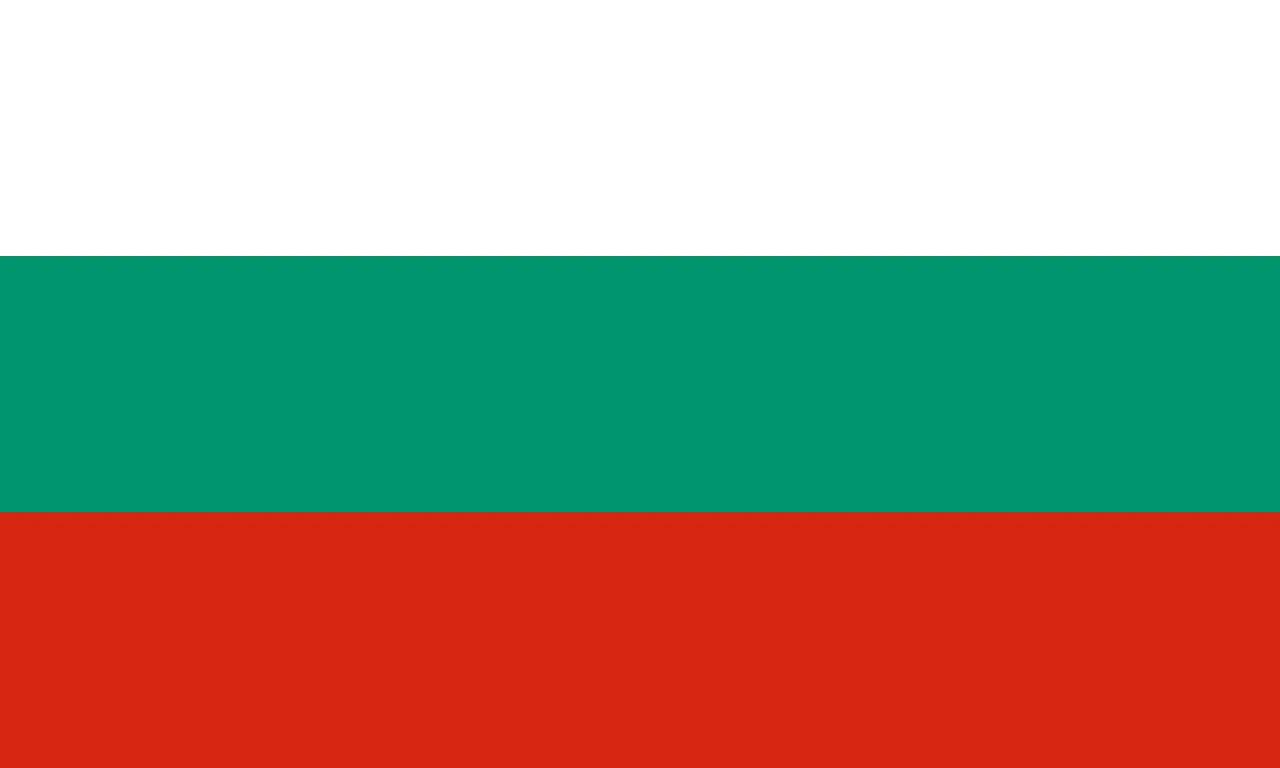
Sectoral Potential and Capital Advantage
Bulgaria is a market with high investment potential in areas such as logistics, automotive, energy, IT, e-commerce and tourism. The country also provides tax reductions and incentives to businesses operating in certain sectors.
In addition, the minimum capital requirement in Bulgaria is quite low; for example, the minimum capital for an OOD is set at just BGN 2 — approximately EUR 1.
Considerations When Setting Up a Company in Bulgaria
The Right Company Type
Choosing a structure suited to the business model and investment goals is critical from both cost and operational standpoints.
Local Address and Representative
The company must have a registered address in Bulgaria; in some cases a local representative must be appointed.
Banking and Capital Process
A bank account must be opened and the required capital deposit planned to run operations.
Sectoral Permits
Special permits and licenses may be required depending on the field of activity.
Physical Presence Requirement
Some steps — such as opening a bank account and notarial procedures — require being physically present in Bulgaria.
Company Formation in Bulgaria
Although the company formation process throughout the country moves quickly, all procedures must be carried out physically in Bulgaria. Because notarial procedures must be performed during formation and a bank account must be opened, the authorized representatives or partners must be present in person in Bulgaria.
For a smooth process, it is important to prepare the required documents in full, plan the capital deposit and determine sectoral license needs in advance. During formation, the trade name is first determined and its availability is checked at the Bulgarian Chamber of Commerce.
The company registration is made under the approved name; capital is deposited into a dedicated capital account opened in Bulgaria and is held in escrow until registration is completed. After the company is established, this amount can be transferred to the operating account or used for business activities.

Company Types and Use Cases
EOOD
Suitable for small-scale ventures with a single investor and liability limited to capital.
OOD
Suitable for entrepreneurs wishing to operate with multiple partners and develop business models targeting the EU market.
AD
Preferred for large-scale investments and IPO plans.
KDA and KD
Offers more flexible management and profit distribution for mid-sized businesses.
ET
A sole proprietorship model for investors seeking a low-cost, quick start.
Branch
Can be used by a Turkish parent company to expand its Bulgarian operations without forming a separate legal entity.
Capital Planning
Although the minimum capital for limited liability companies is BGN 2, depositing at least BGN 1,000 — and preferably BGN 5,000 — is recommended for a stronger appearance before government institutions and suppliers, in terms of international trade and financial credibility.
Accounting and Taxation Processes in Bulgaria
Bulgaria's tax system is extremely advantageous and predictable for investors. The country applies a flat corporate income tax of 10% for all company types, while personal income tax is also a flat 10%.
VAT is 20% as standard; a reduced rate of 9% applies to certain sectors and filings are generally made on a monthly or quarterly basis. Dividends distributed from companies to shareholders are taxed at 5% as a dividend withholding tax.
Additionally, social security contributions are shared between employer and employee, with a total burden of around 32%. Bulgaria's EU membership allows companies to benefit from double taxation treaties and apply for EU funds.

Tax and Accounting Compliance Topics
Corporate Income Tax
A flat 10% applies to all company types.
Personal Income Tax
A flat 10% system applies for individuals.
VAT
Standard rate 20%, with a reduced rate of 9% in some sectors.
Dividend Tax
Dividends distributed to shareholders are taxed at 5%.
Social Security Contributions
The total burden, shared between employer and employee, is approximately 32%.
Management of Accounting Processes
All companies must keep records in accordance with Bulgarian National Accounting Standards and prepare annual financial reports. Accounting records cover revenue-expense movements, bank transactions and tax obligations; monthly or quarterly VAT and other tax returns must be filed regularly.
Accounting services in Bulgaria are mostly carried out via professional firms. Particularly for foreign investors, professional support is important to ensure accurate financial reporting, smooth audit processes and timely fulfillment of tax obligations.
Plan Your Company Formation in Bulgaria Strategically
awaits you.
Let's design the company type, capital structure, tax planning and formation steps together.
How Can We
Help You?
With our expert team, we provide consultancy at global standards for your R&D and Design processes.
Call Now
+90 212 709 08 50