
Company Formationin the Netherlands
Manage your company formation, tax planning and European market entry processes in the Netherlands with a strategic structure.
Advantages of Setting Up a Company in the Netherlands
For entrepreneurs and investors looking to enter the European market, the Netherlands stands out with its strategic location, strong economy and investment-friendly business environment. Thanks to its advanced infrastructure, fast-moving bureaucratic processes and low corporate tax rates, it stands out as an attractive hub for company formation.
Setting up a company in the Netherlands offers significant opportunities for both large-scale investments and individual ventures. Its policies that are open to foreign investors, transparent legal regulations and entrepreneur-friendly business environment — combined with tax incentives, fast company formation processes and various business supports — enable access to the European market and international-scale growth.
Logistics and Location Advantage
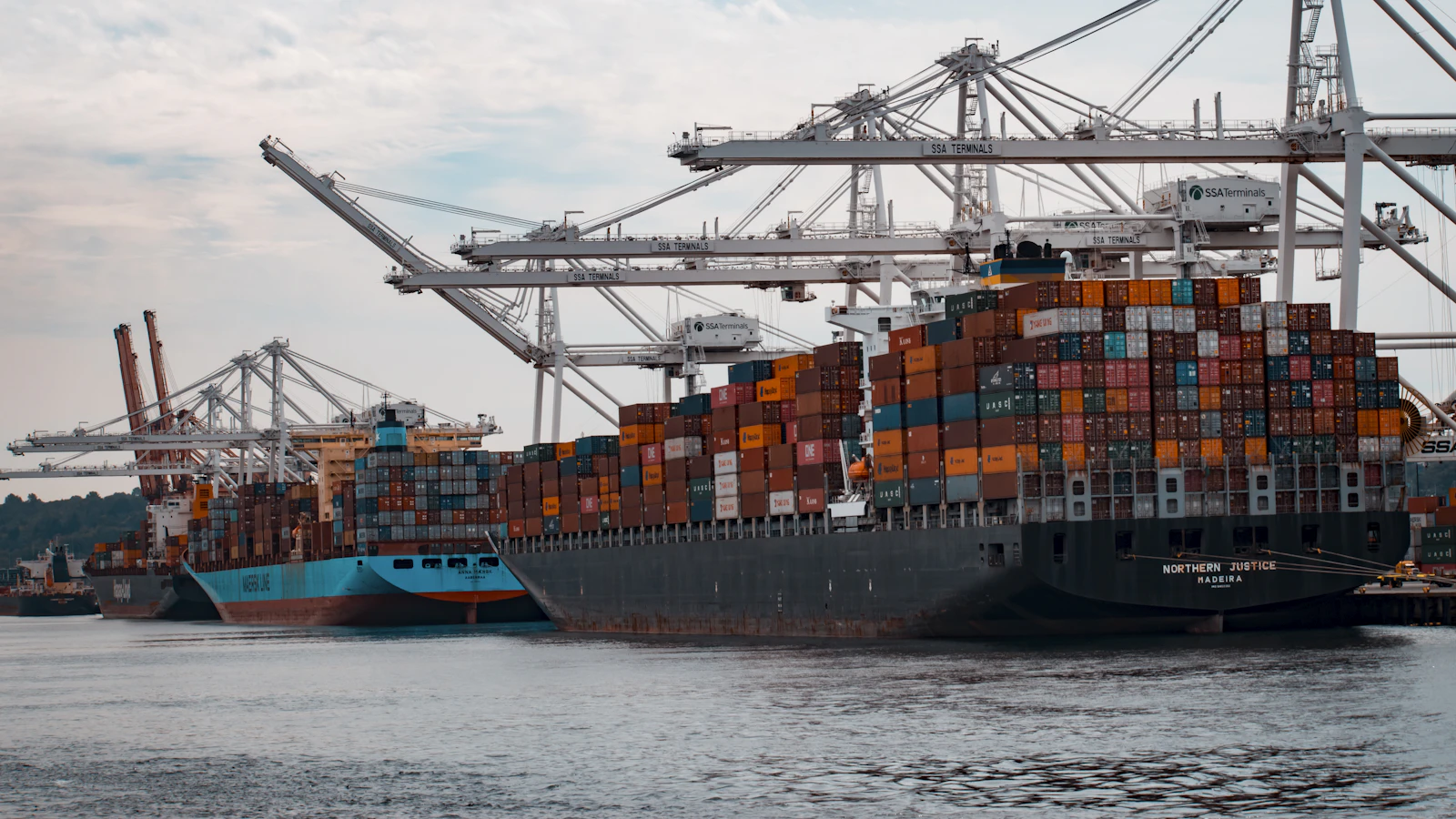
Located in a geographically strategic position, the Netherlands offers logistical advantages thanks to its proximity to major economies such as Germany, Belgium and France. Home to some of Europe's busiest transport hubs — like the Port of Rotterdam and Amsterdam Schiphol Airport — it provides businesses with global mobility across land, air and sea transport.
With these features, the Netherlands is one of the top countries to consider for entrepreneurs looking to expand into Europe and grow internationally.
Company Formation in the Netherlands
The company formation process in the Netherlands is one that must be managed step by step and with care. The process starts with determining the company's official address in the Netherlands. Virtual office use is possible; however, in some sectors a physical office is mandatory. This address serves as the basis for official correspondence, banking transactions and tax records.
Next, the type of company suited to your business model and objectives is selected. The most preferred structure in the Netherlands is the BV; however, options such as NV, sole proprietorship or branch are also available. The choice of company type is important in terms of tax obligations and legal responsibilities.
Within the scope of company formation, notarial procedures can be carried out remotely via power of attorney and apostille; therefore, it is possible to establish a company without being physically present in the Netherlands. There is no minimum capital requirement for the limited company (BV); a company can even be founded with EUR 1.

Required Information and Documents for Formation
ID and Address Documents
Passports or ID documents and address verification documents of partners and directors must be prepared.
Formation Documents
Notarized articles of association are among the core formation documents.
Company Details
Registered address in the Netherlands, trade name and activity code must be determined.
Capital and Tax Documents
Bank receipts, capital deposit documents, KvK registration, BTW and RSIN applications must be prepared.
Licenses and Permits
Additional permits may be required for special sectors such as food, healthcare, finance or import-export.
Critical Steps in the Formation Process
Determining the Official Address
The company's registered address in the Netherlands is the starting point of the formation process.
Selecting the Company Type
BV, NV, sole proprietorship or branch structure is assessed based on the business model.
Trade Name and Activity
The trade name must be checked in the KvK database, and trademark and domain registration must also be considered.
Notary and Apostille Processes
Notary procedures and power-of-attorney processes can also be planned remotely.
Setting Up the Director Structure
The company must have at least one director; the director does not have to be a Dutch citizen.
Banking and VAT Process
A resident director may be required for a physical bank account and certain VAT processes.
Directorship and Operational Notes
During the formation process, the company must have at least one director. The director does not have to be a Dutch citizen; however, as the legal representative, they are responsible for all company activities.
If a physical bank account is to be opened in the Netherlands, a resident director may be required. Likewise, without a resident director, VAT registration may not be obtained. For this reason, retaining directorship services for at least the first 3 months following the formation is operationally important.
Accounting and Taxation Processes in the Netherlands
The most fundamental tax for companies operating in the country is corporate income tax. As of 2025, the first EUR 200,000 of annual profit is taxed at 19%, while the portion above EUR 200,000 is taxed at 25.8%.
All companies are subject to VAT (BTW). The standard VAT rate is 21%; a reduced rate of 9% applies to certain goods and services, while 0% applies to export transactions. Thanks to its many double taxation treaties, the Netherlands reduces the tax burden for companies engaged in international trade.
Special arrangements such as the Innovation Box and R&D incentives enable qualified innovative companies to obtain significant corporate tax reductions. This framework makes the Netherlands a competitive tax environment for both traditional business models and technology-focused ventures.
Accounting and Tax Compliance Topics
Corporate Income Tax
19% applies to the first EUR 200,000; 25.8% applies above that.
VAT Rates
Standard rate 21%, reduced rate 9% and 0% for export transactions.
Double Taxation Advantage
Treaties that reduce the tax burden provide a significant advantage for companies engaged in international trade.
Innovation Box and R&D Incentives
Special tax incentives are offered for innovation and R&D-focused companies.
Financial Statements and Filings
Income, expense, VAT and corporate tax returns must be prepared regularly and submitted to the relevant authorities.
Importance of Accounting Processes
Accounting processes are critical for companies in the Netherlands to fulfill their legal obligations correctly and completely. Companies are required to prepare their annual financial statements and submit them to the KvK and tax authorities.
These statements cover income, expense, VAT and corporate tax returns; therefore, regular and professional accounting management provides an important foundation for the company's sustainable growth.
Start Your Company Formation in the Netherlands with Confidence
awaits you.
Let's build a roadmap together for your company formation, directorship, tax and accounting processes in the Netherlands.
How Can We
Help You?
With our expert team, we provide consultancy at global standards for your R&D and Design processes.
Call Now
+90 212 709 08 50